


How to Find Off-Market Property in France (2026 Investor Brief)
A concise English brief for international investors sourcing off-market property in France: what the market actually looks like (no official off-market figure, ~5-10% of sales, up to 60% in prestige), the SCI ownership layer and the July 2024 beneficial-owner register restriction, GDPR outreach limits, and the five-layer sourcing method. Full method in the French edition.
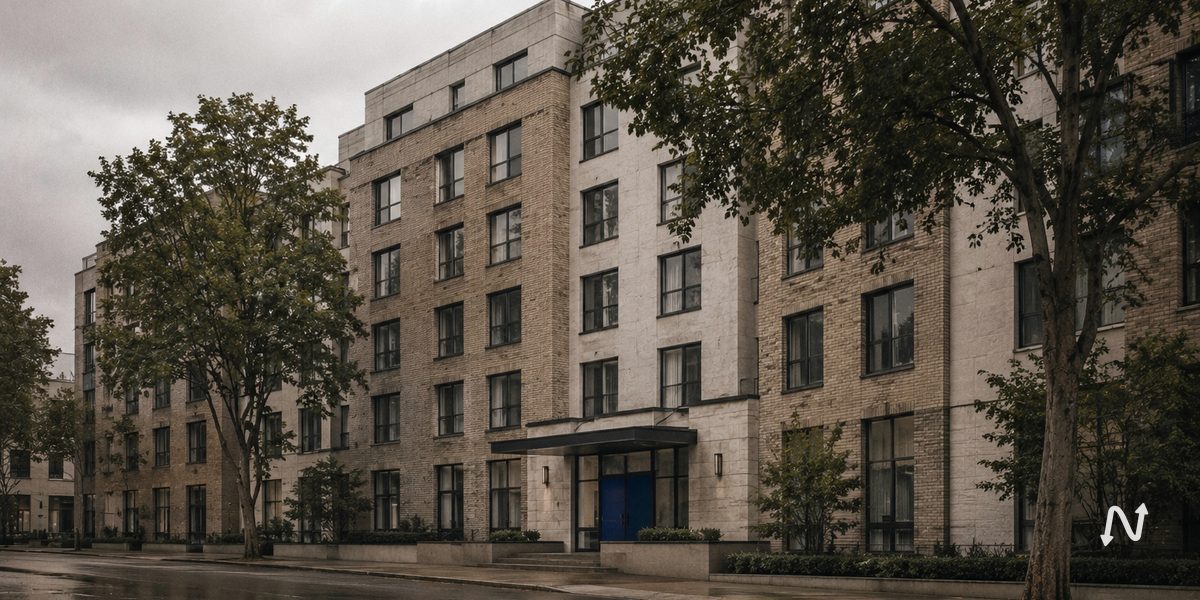
How to Find Off-Market Property in France (2026 Investor Brief)
The Short Answer
To find off-market property in France, you work the signals that precede a sale, then reach the owner directly before the deal ever becomes public. The three traditional French routes do part of this by hand: the notaire (who sees estates, divorces, and unwinding co-ownerships first), the buyer's agent, or chasseur immobilier (paid a success fee of roughly 2 to 3% of the price), and word of mouth. A custom sourcing system runs the whole loop continuously across a market, deployed on your own infrastructure.
This is the English brief for international investors looking at France. The full method, written for the French market, lives in the French edition of this guide.
What the French Market Actually Looks Like
There is no official figure for how much of the French market trades off-market. Credible estimates land around 5 to 10% of sales, with some claiming 30% and no source to back it (Foncia). In prestige, the share is far higher: up to 60% of high-end sales stay off the public listings, concentrated in Paris and tight markets. Meanwhile the resale market rebounded to roughly 921,000 transactions in the year to September 2025, up 11% (Notaires de France).
Two Things That Make France Different
First, ownership hides behind the SCI (a property-holding company). The manager is identifiable through the trade register, but since 31 July 2024 the beneficial-owner register is no longer open to the public, restricted to authorities and parties with a legitimate interest (INPI). Owner identification is more constrained here than in the US.
Second, outreach is GDPR-bound. Electronic prospecting to individuals needs prior consent; addressed postal mail is the more flexible route, subject to information and opt-out duties (CNIL). The American cold-email playbook does not transpose directly; in France, mail and the notaire relationship carry more weight.
The Method, in Five Layers
Monitor sale signals (tenure, estates, permits, distress), identify the owner behind the SCI, enrich contacts within GDPR limits, score each property against your buy box, then run compliant, personalized outreach. Traditional routes do pieces of this manually; a system runs the whole chain continuously. When a custom build fits, we run it deployed on your infrastructure, with system ownership and governance on your side.
If your bottleneck is coverage rather than a subscription fee, book a scoping call and we map your buy box, markets, and the signals that matter before anyone talks build.
Questions and answers
How do you find off-market property in France?
You work public signals that precede a sale (ownership tenure, estates, divorces, permits, distress), identify the real owner behind the SCI, enrich a reliable contact within GDPR limits, score the property against your criteria, and run compliant outreach. The traditional French routes (notaire, buyer's agent, network) do this by hand; a system runs the whole loop continuously across a market.
How much of the French market is off-market?
There is no official figure. Credible estimates sit around 5 to 10% of sales, with some claiming 30% and no source. In prestige property the share is far higher, up to 60% of high-end sales staying off public listings, concentrated in Paris and tight markets. Treat these as orders of magnitude, not statistics.
Can you identify the owner behind an SCI?
The manager is identifiable through the trade register and the company's statutes. But since 31 July 2024, the beneficial-owner register is no longer open to the public, restricted to authorities and parties with a legitimate interest. Owner identification is more constrained in France than in the US, though still possible by combining the cadastre, legal notices, and registers.
Is direct outreach to owners legal in France?
It depends on the channel. Electronic prospecting (email, SMS) to individuals requires prior consent. Addressed postal mail is the more flexible route, subject to information and opt-out duties. Owner data, even when public, remains personal data under GDPR. The US cold-email playbook does not transpose directly; mail and the notaire relationship carry more weight in France.
Related Articles
Phase 1 ESA Checklist: How to Review a Phase I Report Before You Close
Use this Phase 1 ESA review checklist to track report dates, open findings and document references before closing, with an illustrative closing review register.
How to Build a Submarket Intelligence Report With AI
Build a CRE submarket report with dated sources, comparable definitions, a clear supply pipeline, and hypotheses your investment committee can test.
How to Find Off-Market Real Estate Deals With AI
Build an off-market CRE sourcing workflow with verified property signals, careful LLC research, buy-box screening, and a clear path to owner conversations.