

counties in the scoped footprint
What this means
Documented system design and scoped source footprint. The county count is a coverage plan, not a count of ingested counties.
By NextAutomation · Updated
System study / a Midwest manufactured-housing investor
A manufactured-housing sourcing engine connects county data, property scoring, owner research and broker documents.
Before / after

Built around the work
County-by-county coverage

14 sourcing signals

Public-record owner chain

BOV, OM and market report
What the team receives
Research priorities based on recorded signals.
A traceable chain, with gaps marked.
Reuse the same researched property record.
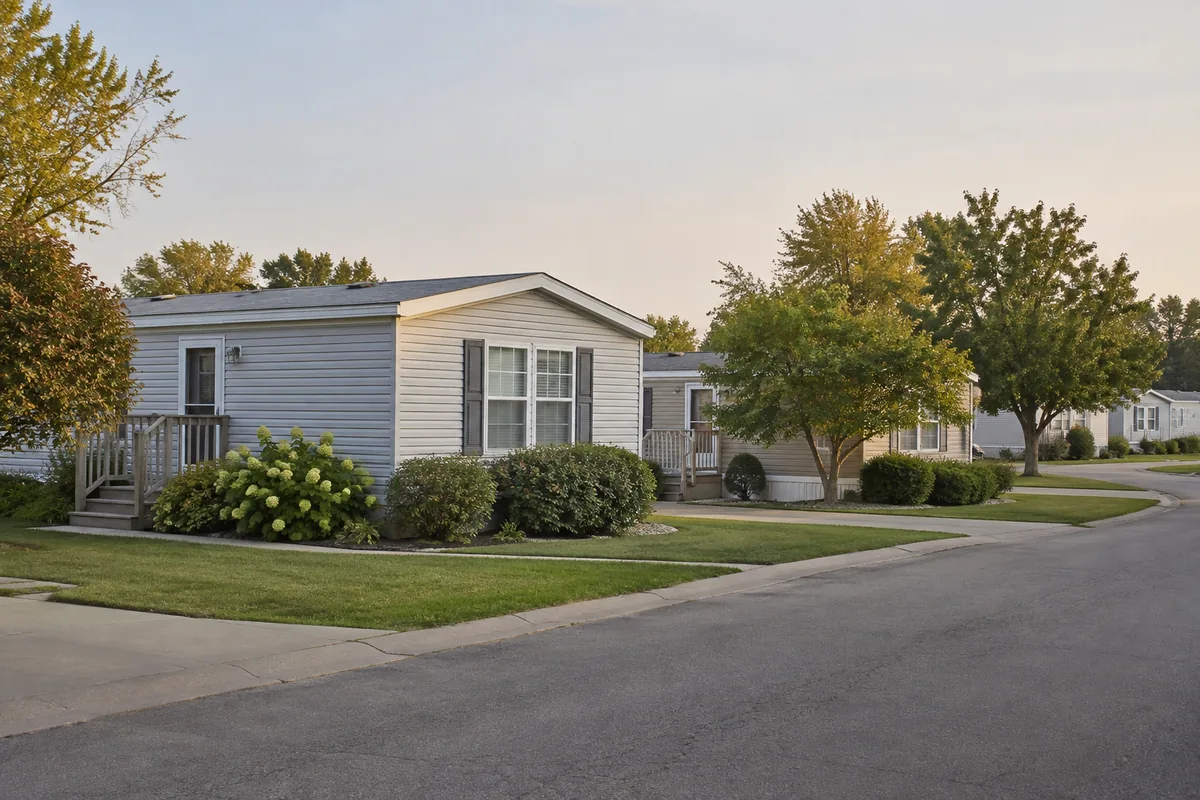
Illustrative output designs. Generated imagery, not actual client records or assets.
The record behind the story
Documented system design and scoped source footprint. The county count is a coverage plan, not a count of ingested counties.
Documented system design and scoped source footprint. The county count is a coverage plan, not a count of ingested counties.
Documented system design and scoped source footprint. The county count is a coverage plan, not a count of ingested counties.
Documented system design and scoped source footprint. The county count is a coverage plan, not a count of ingested counties.
Scoped footprint, not guaranteed ingestion. Access restrictions, licensed data needs and coverage gaps remain explicit.
For your team
Connected around your processYour team reviews owner links and broker output.
Client-owned infrastructure, pipeline and records.
Licensed sources or manual review handle coverage gaps.
Software that finds acquisition candidates before they are listed: it ingests public and licensed data at scale, scores properties against your buy box, resolves owners, and hands your team a ranked, contactable list. The system is designed around a 197-county footprint, with source coverage and unresolved records made explicit.
The client does. The engine was delivered on the client’s own infrastructure, with full governance of the system, the pipeline, and every record in it. That was a deliberate design requirement, not an afterthought.
Owners are resolved from public records: state business registries, assessor mailing addresses and recorded deeds, then checked against a maintained registry of known properties. The resolution chain is handed over so the team can review how each connection was established. Parcels that do not resolve are marked unresolved rather than dialed, so the call list stays clean and nothing is invented to fill a gap.
Yes. The scoring signals and data sources are configured per asset class. The same architecture, ingest, score, resolve, generate, applies to multifamily, industrial, and land. See our multifamily off-market signals case study for a county-records variant.
Work through the owner-portfolio example before treating address or registered-agent overlap as a confirmed relationship.
To inspect the property-level output boundary, request an off-market sample for your geography and asset criteria.
Book a tailored demo. We’ll walk through your process, the information you work with, and the outputs your team needs.
Three details, then choose your advisor and a time.