

South Carolina / Road-entry evidence

South Carolina logistics: verify the corridor-to-gate connection

Port or highway proximity is useful context, but the acquisition decision depends on the route a vehicle can actually use. For South Carolina logistics property, trace the connection from the road network to the gate, identify the responsible road authority and collect the documents for work in the right-of-way. Then test the proposed operation against that documented access scope.

SCDOT’s encroachment-permit guidance is the state-road example. No parcel, port-access entitlement, traffic analysis or travel-time measurement is supplied.

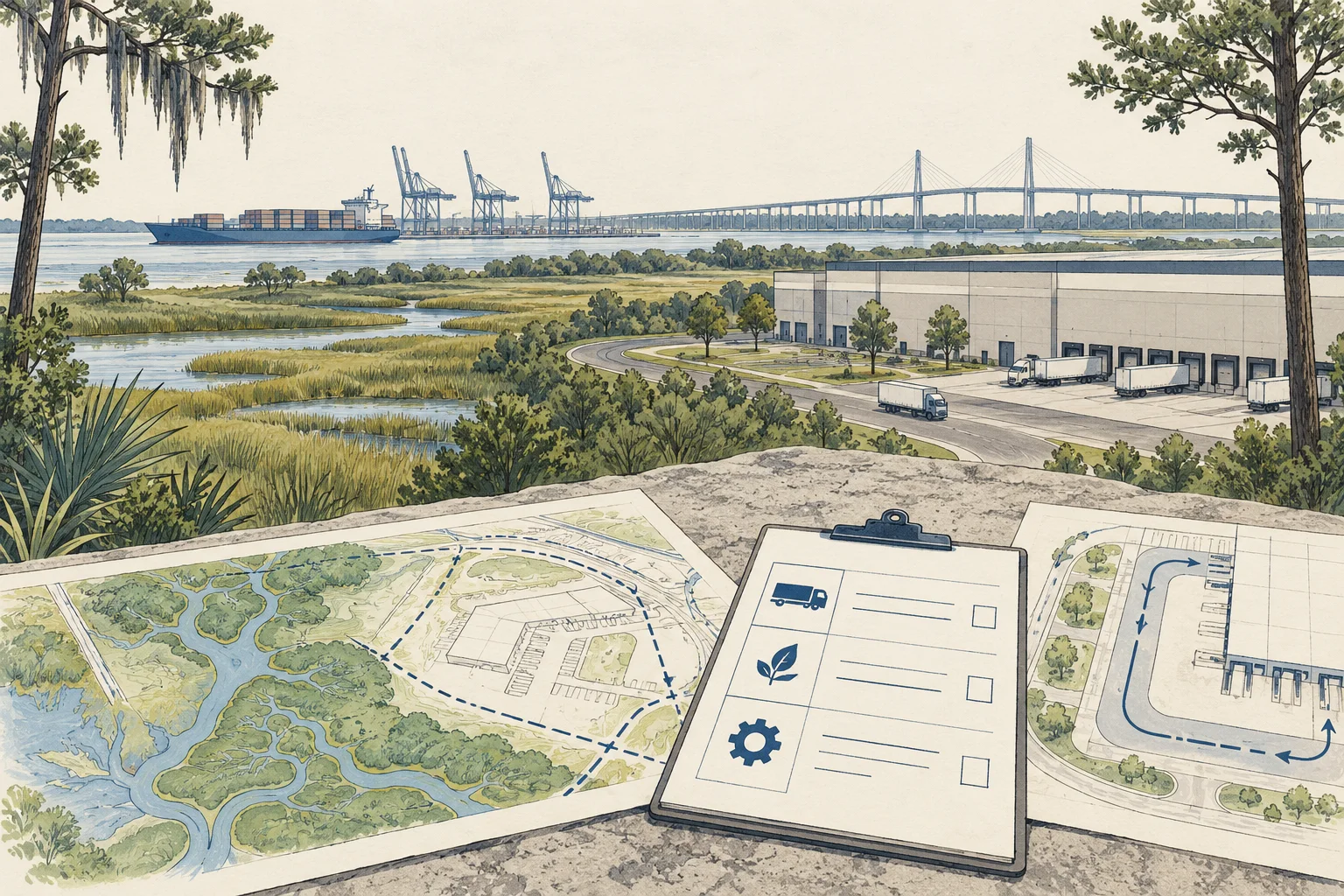
Conceptual illustration of documents and decisions for South Carolina commercial property research

What changes the decision

South Carolina logistics: verify the connection between the corridor and the gate

01

Right-of-way work has a defined review route

SCDOT’s permit page describes encroachment permission for work within its maintained right-of-way and provides its permitting resources. It also encourages preliminary coordination with county or district staff. Use that route to identify the relevant record for a proposed connection or change, while first confirming that SCDOT is the authority responsible for the affected segment.

Source 1
02

Route claims need the same operating assumptions

Describe the vehicle, gate hours and arrival pattern that the buyer expects. Ask which access points and public-road segments the operator intends to use. A location near a freight corridor does not establish that the proposed route, entrance or queuing arrangement works for the tenant’s actual operation.

03

Keep drainage and access work on the same plan

An entrance modification can involve more than pavement at the gate. Ask the civil engineer to identify drainage, grading and utility work associated with the proposed access. Record each item as a project-specific question so an early access discussion does not conceal off-site responsibilities or separate approvals needed for the construction concept.

Read the records together

Evidence and its investment use

EvidenceWhat it establishesNext decision
Corridor locationThe geographic context of the site and proposed route.Define the actual vehicle movement rather than implying operational access.
Road and encroachment recordsThe authority and documented scope of right-of-way work.Compare existing records with the proposed entrance or modification.
Site circulation and civil reviewThe proposed layout and its technical dependencies.Resolve gate, queue and associated construction assumptions.
Conceptual illustration of the South Carolina research workflow

Put it to work

Corridor-to-gate evidence sheet

The kit produces a route-and-permit request sheet for one logistics proposal. It can support an owner conversation without overstating what a corridor map establishes about a particular site.

  1. Sketch the corridor-to-gate route

    Identify the intended approach, entrance and internal movement on a concept plan. Name the road authority where known and mark unresolved segments. Keep the operator’s preferred route separate from any route that has actually been reviewed for the proposed vehicle and activity.

  2. Identify the applicable right-of-way record

    For SCDOT-maintained segments, use the official permit resources and local staff coordination route to determine the relevant file or review question. Request the approved document and referenced plans supplied for the property. Keep a preliminary conversation separate from an issued permit or project-specific determination.

    Source 1
  3. Define the physical change

    Ask the engineer to mark entrance work, drainage, utilities and queuing assumptions on the same drawing. Identify work outside the purchase boundary and any private crossings. Have the appropriate reviewers explain the dependencies instead of treating the gate location as an isolated design decision.

  4. Write a bounded logistics claim

    Describe what the documents establish about the connection and list unresolved operating or construction questions. Avoid converting a geographic proximity statement into a promise of freight efficiency. Export the kit with assigned reviewer roles so the next step is a specific request or design review.

Before the next conversation

Questions this review should answer

Does distance to a port prove a site is suitable for port logistics?

Distance alone does not describe the operating route, gate arrangement or tenant requirements. Define the actual movement and review its relevant constraints with the operator and qualified professionals. Use proximity as context while keeping route and access conclusions tied to their own evidence.

Is a preliminary SCDOT discussion an approval?

Record the discussion for what it is and retain the exact question asked. The acquisition file should distinguish staff guidance, submitted materials and issued documents. Ask the responsible reviewer which additional steps apply to the proposed work rather than representing early coordination as completed permission.

What can AI compare across the access packet?

AI can flag changed entrance labels, inconsistent plan dates and missing referenced drawings. It can also organize authority and reviewer responsibilities. It should not calculate a definitive route advantage or certify access suitability from maps and correspondence that have not been professionally evaluated.

From the page to your next task

Start with the useful output.

Corridor-to-gate permission register

Build an editable corridor-to-gate permission register, retain document references and open decisions, then export your team's working file.

Scope: Freight access

Bring
A working file name; use a non-sensitive label for your project. Your document references and observations, or leave missing evidence marked unknown.
Leave with
Corridor-to-gate permission register with editable, expandable records and document locators Two fictional worked rows showing mismatches and decisions to review CSV and readable text exports with row provenance, method sources and edition A separate document-request companion with suggested reviewers

Edition 2026-09-30.1

Evidence and scope

Follow each claim to its source.

Permits

South Carolina Department of Transportation · Checked 2026-09-30

Encroachment-permit resources for SCDOT-maintained right-of-way and preliminary coordination guidance.

  • Does not verify a specific route, permit, property connection or port operating arrangement.
Open original source ↗