

New Hampshire / Manchester occupancy example

Manchester flex space: check each suite's occupancy records

For a New Hampshire flex building, a lease list becomes more useful when each suite has a clear use and document trail. Separate the seller’s marketing category from the activities occurring behind each door. Then reconcile suite boundaries, fit-out work and occupancy evidence before assuming a replacement tenant can operate in the same space on the same terms.

Manchester is the municipal worked example. Other New Hampshire municipalities require their own record and approval checks; no tenant-specific compliance opinion is supplied.

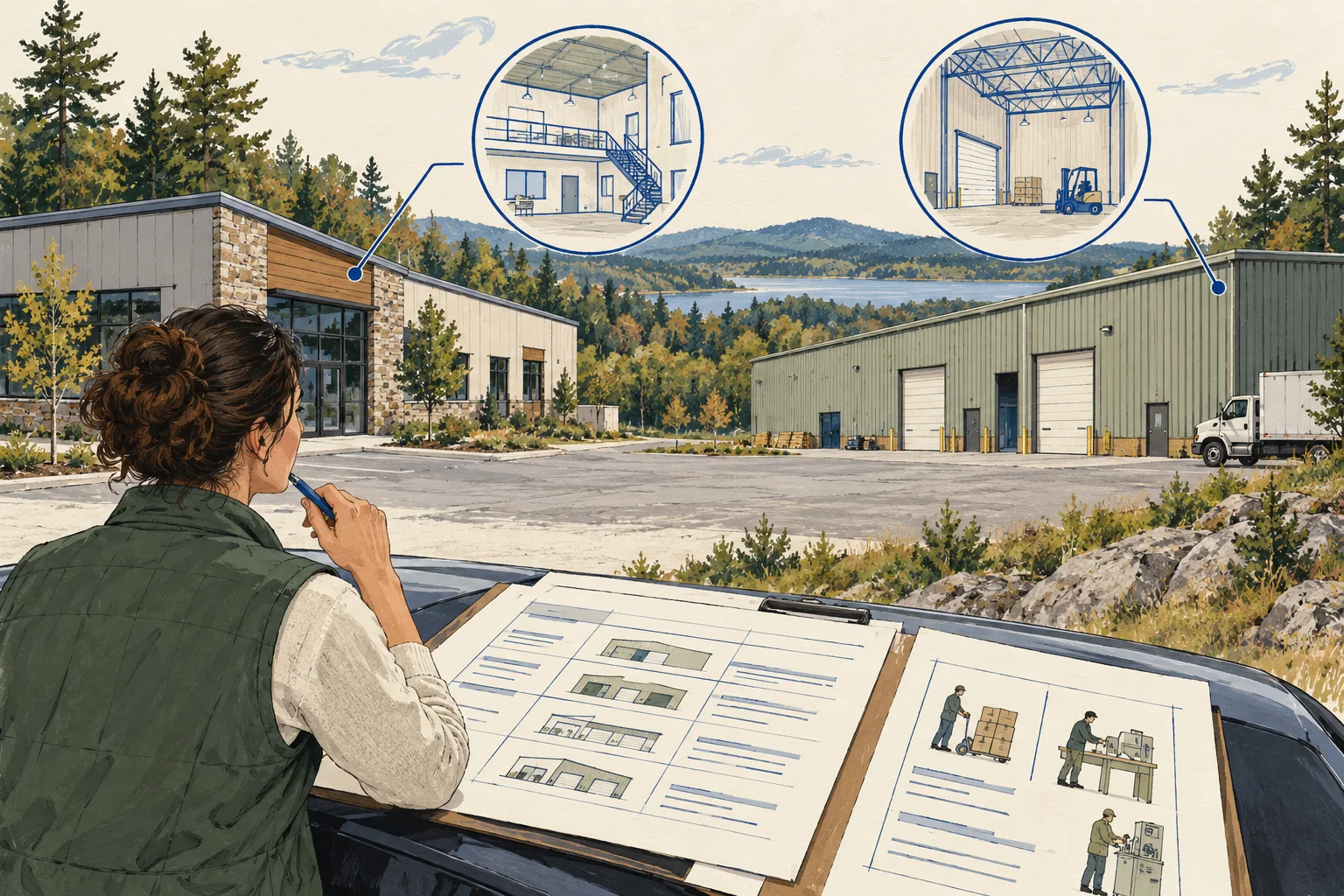
Conceptual illustration of documents and decisions for New Hampshire commercial property research

What changes the decision

New Hampshire flex space: reconcile each suite with its occupancy evidence

01

A completed permit and a finished space are different records

Manchester’s Building Division administers permits, inspections and zoning, and says associated inspections and supporting paperwork must be approved before a certificate of occupancy or completion letter is issued. Use that process distinction to ask for the closeout record, not just an application or a permit number shown in the seller’s spreadsheet.

Source 1
02

Suite boundaries can drift across documents

A lease may combine two bays while an older drawing still labels them separately. Start a suite crosswalk with the plan label, current lease label and observed operating area. Keep conflicting descriptions visible until the manager and appropriate professional reconcile them. This avoids counting one occupied premises twice or treating a shared area as independently rentable.

03

Describe activities rather than relying on flex

Ask what each tenant actually does, including storage, assembly, customer visits and any exterior activity. The point is to formulate a precise local review question, not to assign a use classification yourself. For a vacant bay, write the proposed tenant activity separately from the prior activity so the leasing plan is explicit.

Read the records together

Evidence and its investment use

EvidenceWhat it establishesNext decision
Current lease scheduleThe premises and commercial terms represented by the owner.Match lease labels to the physical suite plan.
Permit and inspection fileThe documented scope and progress of work.Identify missing closeout evidence for the relevant space.
Occupancy or completion recordThe record issued for a particular reviewed scope.Check whether it addresses the present or proposed use.
Conceptual illustration of the New Hampshire research workflow

Put it to work

Flex suite and occupancy crosswalk

The kit builds a suite-by-suite request sheet for a specific acquisition or leasing decision. It leaves municipal interpretations with the official or qualified reviewer responsible for that property.

  1. Make one suite identity table

    Start with a dated floor plan and rent roll. Give every occupied and vacant premises an internal label, recording merged bays and shared areas. Have the property manager identify changes since the plan date and attach the supporting lease or drawing instead of overwriting older labels.

  2. Collect the closeout trail

    Request permits, inspection outcomes and occupancy or completion records for the relevant renovations. In the Manchester example, use the Building Division’s documented process to identify missing closeout items. State exactly which suite and work scope your request covers so the response does not answer only for the building shell.

    Source 1
  3. Define the leasing change

    Write the proposed activity and physical alterations for the vacant or changing suite. Ask the local reviewer what approvals and documentation apply to that proposal. Retain the question, plan version and response together, especially when a broker’s broad flex description obscures the actual operating use.

  4. Assign the unresolved items

    Separate document collection from professional interpretation and construction work. Name the reviewer role for each gap and connect it to the relevant suite. Export the kit for the leasing or acquisition team so the remaining issue is a specific task rather than a vague statement that permits need checking.

Before the next conversation

Questions this review should answer

Does a lease prove the tenant’s use was approved?

A lease establishes the contractual description supplied for review. The approval question needs the relevant municipal and building records. Compare the same premises and activity across both sets, and ask the appropriate reviewer to explain a mismatch rather than treating a signed lease as a substitute.

Can one building certificate cover the entire current rent roll?

It may address a scope that differs from the current suite arrangement. Review the actual document, referenced plans and subsequent work with the local authority or qualified professional. Do not assume that a building-level label answers every later subdivision or change in tenant activity.

How should an AI system handle contradictory suite names?

AI can retain the original suite names and propose a lease-to-plan-to-permit crosswalk with supporting references. Flag uncertain matches for the property manager and missing closeout records for the municipal reviewer. Do not silently merge premises or infer that an occupancy record exists because an earlier renovation permit was issued.

From the page to your next task

Start with the useful output.

Closeout-plan-to-lease crosswalk

Build an editable closeout-plan-to-lease crosswalk, retain document references and open decisions, then export your team's working file.

Scope: Flex suite review

Bring
A working file name; use a non-sensitive label for your project. Your document references and observations, or leave missing evidence marked unknown.
Leave with
Closeout-plan-to-lease crosswalk with editable, expandable records and document locators Two fictional worked rows showing mismatches and decisions to review CSV and readable text exports with row provenance, method sources and edition A separate document-request companion with suggested reviewers

Edition 2026-09-30.1

Evidence and scope

Follow each claim to its source.

Building

City of Manchester, New Hampshire · Checked 2026-09-30

Municipal permit, inspection and certificate-of-occupancy process description.

  • Manchester-specific process; no individual permit search or statewide municipal comparison was performed.
Open original source ↗