

Minnesota / Food handling and systems

Minnesota cold storage: connect licensing and refrigeration evidence

A food-handling record can identify a relevant Minnesota operation without proving that its building is suitable cold storage. Start with the products and temperatures the proposed business needs, then separate activity-based licensing questions from equipment capability. The practical file joins operating scope, temperature zones, refrigeration evidence and service capacity before the team calls a warehouse freezer-ready.

Minnesota MDA program and licensing guidance checked September 30, 2026. No warehouse was tested, licensed or classified by its actual refrigeration performance.

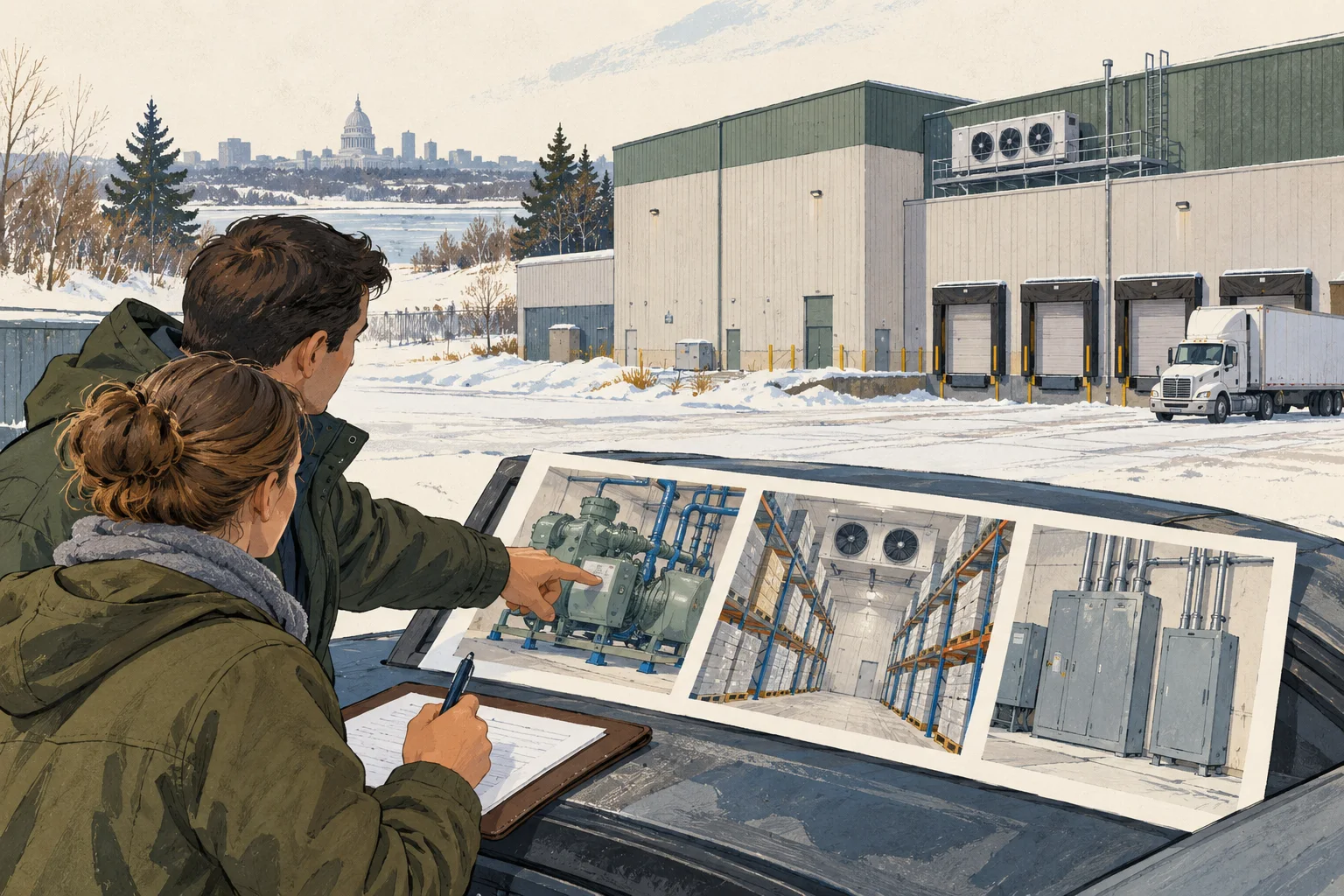
Conceptual evidence illustration for Minnesota: cold-storage activity and system evidence. No surveyed geography or real property depicted.

Start with the right evidence

What changes the decision

01

Food warehouses cover different temperature uses

MDA’s manufactured-food program includes warehouse activities involving ambient, refrigerated and frozen storage. A food-program association alone therefore does not establish which temperature use a property can support. Request the actual operation and zone schedule before converting a business category into a physical cold-storage classification.

Source 1
02

Licensing and inspection questions follow the activity

MDA’s licensing wizard explains that activity and responsibility matter, including distinctions between licensing and inspection. Use the intended operation to route the inquiry and confirm the applicable current process. An old category in a seller spreadsheet should not automatically describe the buyer’s proposed storage or processing activity.

Source 1
03

Refrigeration needs technical and operating evidence

Request the temperature-zone plan, system schedule, maintenance history and relevant operating logs. Ask the refrigeration specialist to define any inspection or test required for the tenant’s needs. A visible condenser, insulated panel or freezer label should not become an assertion about current capacity, condition or temperature performance.

Different records, different questions

Keep these decisions separate

EvidenceUseful questionNext document
Food activity recordWhat operation does the supplied record describe?Actual business documents and confirmation of the appropriate MDA pathway.Source 1Source 2
Temperature-zone planWhich parts of the building are intended for each storage condition?Dated plans and operating requirements for the proposed products.
Equipment and service evidenceCan the systems support the intended operation?Refrigeration inspection scope, equipment records and power or backup review.
Conceptual Minnesota research sequence, not a factual map or property inspection.

An acquisition desk workflow

Build a reviewable file

Use these steps as an editorial research method. The worksheet records what your documents support and assigns a next action to what remains unresolved.

  1. Define the product and operating requirements

    Ask the intended occupier to describe products, target conditions, handling process and operating schedule. Keep storage and processing activities separate where relevant. These requirements form the basis for both the licensing inquiry and the engineering review, preventing the two teams from assessing different versions of the project.

  2. Route the food-business question

    Use MDA’s program guidance and licensing wizard to identify the appropriate inquiry for the activity. Preserve the current guidance and ask the responsible office to resolve uncertainties. Keep the supplied business record separate from the physical property file so the presence of a food license is not read as a refrigeration certificate.

    Source 1Source 2
  3. Review the actual cold-storage system

    Request zone plans, equipment schedules, service records and appropriate temperature logs from the operator. Ask a qualified specialist to compare them with the intended requirements and identify missing tests. Keep unavailable performance evidence marked unknown instead of treating design labels or equipment nameplates as proof of operating results.

  4. Build the readiness request list

    Use the worksheet to assign activity, temperature-zone, equipment and service questions to the operator, refrigeration specialist and utility reviewer. Export the unresolved items before estimating tenant fit or required capital work. The tool organizes evidence and tasks; it does not calculate storage capacity, energy cost or equipment replacement timing.

Before the next request

Questions worth resolving

Does a food-warehouse listing prove refrigerated or frozen capability?

No. MDA’s program includes warehouses serving different temperature uses. Ask for the actual operating description and building zone schedule, then request technical evidence for the proposed use. A program record is useful for routing the business question but should not become a physical classification by itself.

Source 1
Can a refrigeration equipment list prove the building will hold the target temperature?

Not without the relevant operating and technical review. Ask the specialist what condition records, logs and testing are needed for the proposed products and operating pattern. The guide does not infer performance, usable pallet positions or remaining equipment life from a list of installed assets.

How can AI help with a Minnesota cold-storage file?

Ask it to align the product brief with MDA activity guidance, then compare the supplied zone plan, equipment IDs and maintenance references. It can flag a zone without supporting logs or an unmatched machine. The food-business adviser resolves licensing scope, and the refrigeration engineer resolves performance and required testing.

Source 1Source 2

From the page to your next task

Start with the useful output.

Food-activity-to-cold-system bridge

Build an editable food-activity-to-cold-system bridge, retain document references and open decisions, then export your team's working file.

Scope: Minnesota MDA program and licensing guidance checked September 30, 2026. No warehouse was tested, licensed or classified by its actual refrigeration performance.

Bring
Your case name Document status, observations and references for each evidence row
Leave with
Food-activity-to-cold-system bridge with editable, expandable records and document locators Two fictional worked rows showing mismatches and decisions to review CSV and readable text exports with row provenance, method sources and edition A separate document-request companion with suggested reviewers

Edition 2026-09-30.1

Evidence and scope

Follow each claim to its source.

Manufactured Food Inspection Program

Minnesota Department of Agriculture · Checked 2026-09-30

Program scope including food warehouses with ambient, refrigerated or frozen storage and related licensing context.

  • Program inclusion does not identify a building’s temperature capability, usable storage capacity or equipment condition.
Open original source ↗
Food Licensing Wizard

Minnesota Department of Agriculture · Checked 2026-09-30

Activity-based guidance for food licensing and the distinction between licensing and inspection responsibilities.

  • The wizard is guidance, not a facility approval, engineering test or automatic determination for an acquisition.
Open original source ↗