

Plant and process dependencies

Manufacturing property: separate the plant from the process

Manufacturing-property research must distinguish reusable real estate from equipment and permissions tied to one production process. Begin with the proposed operation, then map utilities, structures, discharge routes and equipment ownership. AI can organize that dependency file, but the presence of a former factory does not establish that a different process can run there or that its equipment transfers with the land.

NextAutomation editorial research method. Public sources establish the framework; the worksheet example is fictional and no property has been verified.

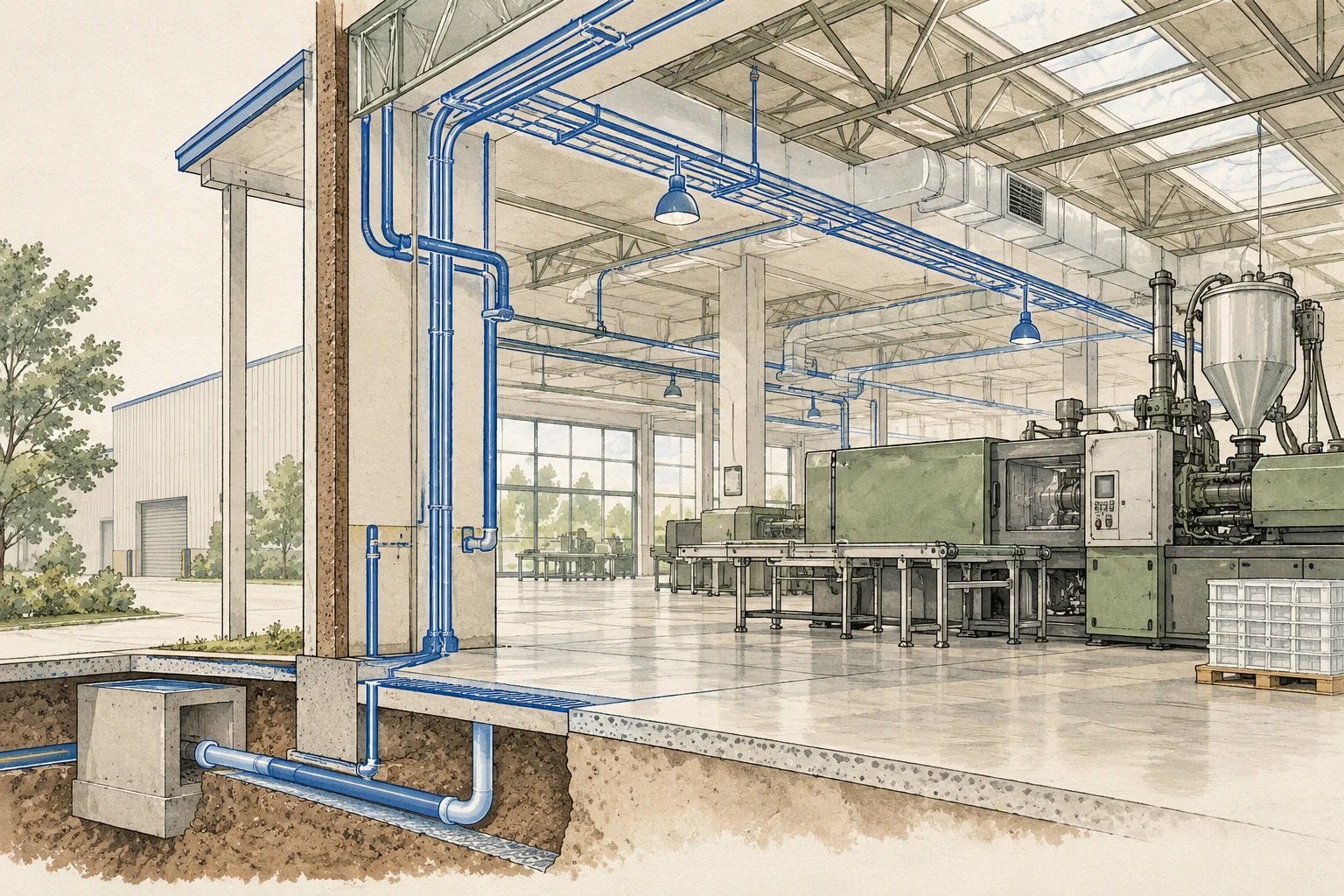
Conceptual illustration of manufacturing process requirements, utility connections and equipment boundaries

What changes the decision

Read the operating model before the headline

01

Adaptability is a specific question

The OCC’s CRE handbook identifies the adaptability of specialized manufacturing buildings as an underwriting consideration. Turn that general concern into a comparison between the former and proposed processes. Identify required floor loads, clearances, utilities and waste handling. A large shell can still be poorly suited to another use if its critical systems or configuration do not transfer.

Source 1
02

A utility nameplate is not a commitment

Distinguish installed equipment ratings, historic consumption, contracted service and the capacity available for the proposed operation. A transformer photograph or old bill may help frame a request, but neither proves future utility delivery. Record timing and upgrade dependencies separately so a production plan does not rely on an unconfirmed connection assumption.

03

Process history remains relevant

Past material handling, storage and waste practices can shape the environmental review even after production equipment is removed. Keep historical-use evidence and current condition evidence separate. An empty building or a database search with no match does not establish environmental clearance. Ask the environmental professional to define the required scope and explain significant information gaps.

Keep these separate

Three distinctions to preserve in the file

Evidence or situationWhat it tells youWhat to establish next
Real-estate assetLand, structure and specified building systemsIdentify title and included assets without assuming all machinery belongs to the seller.
Process equipmentMachinery serving a particular operationConfirm ownership, removal rights, condition and compatibility with the intended process.
Operating permissionA document tied to an activity, party or locationReview scope, dates and transfer conditions before relying on it for a new operator.
Conceptual illustration of manufacturing process requirements, utility connections and equipment boundaries

A practical review sequence

Build a file another reviewer can follow

Use the sequence below to turn the initial description into specific document requests. Preserve contradictory records instead of choosing the more favorable version.

  1. Document the proposed process

    Ask the operator to describe inputs, production stages, equipment, outputs and wastes. Mark activities that use exceptional loads, temperatures or materials. This establishes a concrete review brief and prevents a property marketing label from standing in for the technical information engineers and permitting specialists need.

  2. Draw the responsibility boundary

    Request sale schedules, equipment leases, utility agreements and drawings. Identify what remains with the building, what may be removed and what another party controls. Preserve inconsistencies between an equipment register and transaction documents. AI can prepare the crosswalk but should not assign legal ownership from an asset’s location.

  3. Request technical and historical evidence

    Collect available structural information, utility service records, relevant permits and environmental assessments. Ask specialists to assess the proposed process against those records. Record report dates and reliance limits; an old assessment or a former operator’s authorization may answer a different question from the one posed by the new transaction.

  4. Sequence the feasibility decisions

    List the dependencies in order: process definition, system compatibility, utility confirmation, permission review and transition work. Give each unresolved item an evidence request and suggested reviewer. The output should show what could change the next step, not produce a purchase recommendation or estimate production readiness from a generic score.

Questions that arise during review

Resolve the ambiguity before the model

Can the former use establish the new use?

It is historical context, not a complete answer. A different process may change utility demand, emissions, discharge, access or structural requirements. Compare the actual activities and ask the appropriate reviewers which permissions and technical evidence apply.

Should machinery be included in property value?

First establish what the transaction includes and who owns it. Machinery valuation and real-estate valuation require appropriate scopes. This guide organizes the boundary and document requests; it does not allocate a purchase price or appraise equipment.

How should AI handle environmental no-match results?

Record the database, identifiers, search date and scope. Treat no match as a search result, not absence of contamination or a completed assessment. Preserve unresolved historic uses and let the environmental professional determine what further investigation is needed.

From the page to your next task

Start with the useful output.

Process-change and installed-asset register

Build an editable process-change and installed-asset register, retain document references and open decisions, then export your team's working file.

Scope: manufacturing process requirements, utility connections and equipment boundaries

Bring
An optional file nickname Status, observations and document references for the four evidence items; unknown is acceptable
Leave with
Process-change and installed-asset register with editable, expandable records and document locators Two fictional worked rows showing mismatches and decisions to review CSV and readable text exports with row provenance, method sources and edition A separate document-request companion with suggested reviewers

Edition 2026-09-30.1

Evidence and scope

Follow each claim to its source.

Commercial Real Estate Lending, Comptroller’s Handbook, version 2.0

Office of the Comptroller of the Currency · Checked 2026-09-30

March 2022 supervisory handbook; lease review, property income, re-leasing costs and property-type distinctions.

  • Bank supervisory guidance, not a property appraisal, current market survey or universal financing standard. No handbook percentage is adopted as a deal assumption.
Open original source ↗
Stormwater Discharges from Industrial Activities

U.S. Environmental Protection Agency · Checked 2026-09-30

Industrial activities and exposure pathways, with state and federal permitting context.

  • Activity and jurisdiction determine applicability. The expired 2021 federal general permit is not presented as a new applicant’s permit.
Open original source ↗
Brownfields All Appropriate Inquiries

U.S. Environmental Protection Agency · Checked 2026-09-30

Environmental inquiry process, historical uses, records, inspections and significant data gaps.

  • A portal search or this editorial worksheet is not an environmental professional’s assessment or a liability determination.
Open original source ↗