

Storage inventory and receipts

Self-storage review: reconcile units, occupancy and rent

Self-storage research should show which spaces are occupied, how much area they represent and what rent was actually received. A high unit count can coexist with vacant large units or heavy move-in concessions. Use AI to organize unit types, contract charges and receipts while preserving the definitions that make occupancy and rental comparisons meaningful.

NextAutomation editorial research method. Public sources establish the framework; the worksheet example is fictional and no property has been verified.

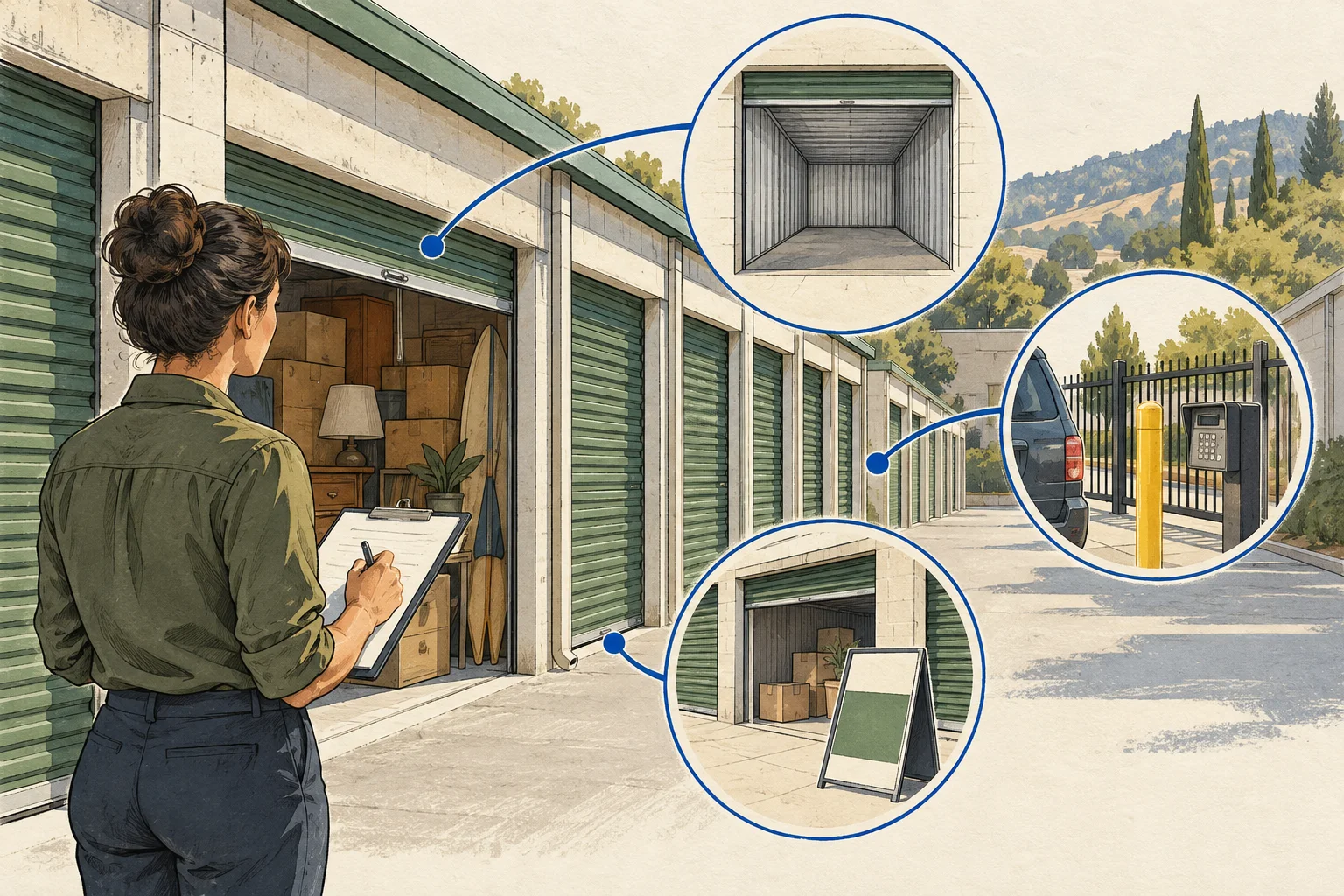
Conceptual illustration of self-storage unit types, occupied area and rental evidence

What changes the decision

Read the operating model before the headline

01

The denominator changes the picture

Public Storage’s 2025 filing distinguishes square-foot occupancy from rental-income measures based on occupied and available area. Treat those definitions as an example of why a metric needs a denominator, not as a benchmark for another facility. Keep unit count, area and income measures separate, with the reporting period and the operator’s definition attached.

Source 1
02

Street rate is not achieved rent

Posted rates, new-customer offers, existing-customer contract charges and actual receipts can differ. Record each category independently before comparing unit types or dates. AI can organize a supplied rate history, but it should not apply today’s advertised price to every occupied unit or present an introductory offer as a stabilized recurring charge.

03

The tenant movement record matters

Move-ins, move-outs, transfers and spaces taken offline affect both inventory and collections. Keep the event history rather than overwriting the prior status. A tenant moving between two units can otherwise appear as both new demand and unexplained vacancy. Tie promotions and adjustments to the corresponding occupancy period so changes remain reviewable.

Keep these separate

Three distinctions to preserve in the file

Evidence or situationWhat it tells youWhat to establish next
Unit occupancyCounts occupied units against a defined inventoryReview the size mix and offline units rather than assuming equal economic weight.
Area occupancyWeights space by measured or recorded areaReconcile unit dimensions and the operator’s available-area definition.
Achieved rental receiptsReflects payments for a stated periodSeparate promotions, arrears, fees and non-rent items before comparison.
Conceptual illustration of self-storage unit types, occupied area and rental evidence

A practical review sequence

Build a file another reviewer can follow

Use the sequence below to turn the initial description into specific document requests. Preserve contradictory records instead of choosing the more favorable version.

  1. Build a unit-type register

    Request unit IDs, dimensions, climate or access attributes and rentable status. Reconcile the inventory to the operating system and available plans. Keep unusual spaces and offline units visible. Do not convert a nominal unit description into measured area without noting the basis and any discrepancy.

  2. Align rates with the tenant cohort

    Obtain contract charges, dated advertised offers and a record of concessions or rate changes. Group comparisons by unit type and customer start period. This prevents a new-customer promotion from being used as evidence about the entire rent roll or an existing-customer increase from being mistaken for new lease demand.

  3. Trace movement and collections

    Review a transfer, move-out and concession from event record to ledger. Ask for an anonymized reconciliation of rental charges, adjustments and receipts. Keep ancillary revenue separately classified. AI can flag inconsistencies, but a reviewer should determine whether the entry is a timing difference, a classification issue or missing evidence.

  4. Prepare the operating questions

    Request explanations for offline inventory, mismatched dimensions, unusual promotions and collection gaps. Give the manager and accountant the same dated worksheet. The tool produces a document-based review list, not a rent optimizer or forecast of future increases. Any later pricing model needs its own assumptions and testing.

Questions that arise during review

Resolve the ambiguity before the model

Which occupancy measure is best?

They answer different questions. Unit occupancy describes count, area occupancy describes space and economic measures describe revenue or collections under a stated definition. Keep all relevant definitions visible rather than selecting the most favorable percentage.

Can AI set rent from competitor advertisements?

Advertisements provide limited, dated context and may contain conditions or promotions. They do not establish achieved rents or the subject facility’s response to a change. This kit organizes evidence and requests; it does not recommend or automatically apply prices.

Should ancillary revenue be included with rent?

Preserve separate categories first, including the agreement and accounting basis for each. A later analyst can create a clearly defined combined view. Combining items prematurely can make a rental comparison appear stronger without showing which receipts actually changed.

From the page to your next task

Start with the useful output.

Occupancy denominator and achieved-rent register

Build an editable occupancy denominator and achieved-rent register, retain document references and open decisions, then export your team's working file.

Scope: self-storage unit types, occupied area and rental evidence

Bring
An optional file nickname Status, observations and document references for the four evidence items; unknown is acceptable
Leave with
Occupancy denominator and achieved-rent register with editable, expandable records and document locators Two fictional worked rows showing mismatches and decisions to review CSV and readable text exports with row provenance, method sources and edition A separate document-request companion with suggested reviewers

Edition 2026-09-30.1

Evidence and scope

Follow each claim to its source.

Commercial Real Estate Lending, Comptroller’s Handbook, version 2.0

Office of the Comptroller of the Currency · Checked 2026-09-30

March 2022 supervisory handbook; lease review, property income, re-leasing costs and property-type distinctions.

  • Bank supervisory guidance, not a property appraisal, current market survey or universal financing standard. No handbook percentage is adopted as a deal assumption.
Open original source ↗
Public Storage 2025 Form 10-K

Public Storage, via SEC EDGAR · Checked 2026-09-30

Issuer definitions distinguish square-foot occupancy, contract rents, realized rents and promotional activity.

  • Definitions are issuer-specific. No portfolio rate, occupancy or growth figure is used as an underwriting assumption.
Open original source ↗