

Method / Classification checks

Commercial property classification: check the operating use

Treat a parcel classification as a starting label. Compare it with the actual acquisition object, documented activities and the period being screened before deciding whether it belongs in a buy box. The useful output is a reasoned keep, exclude or unresolved decision with its evidence attached. This method explains how to build that review without claiming a measured national error rate.

Use the fictional worked example and editable worksheet to apply this method to your own documents.

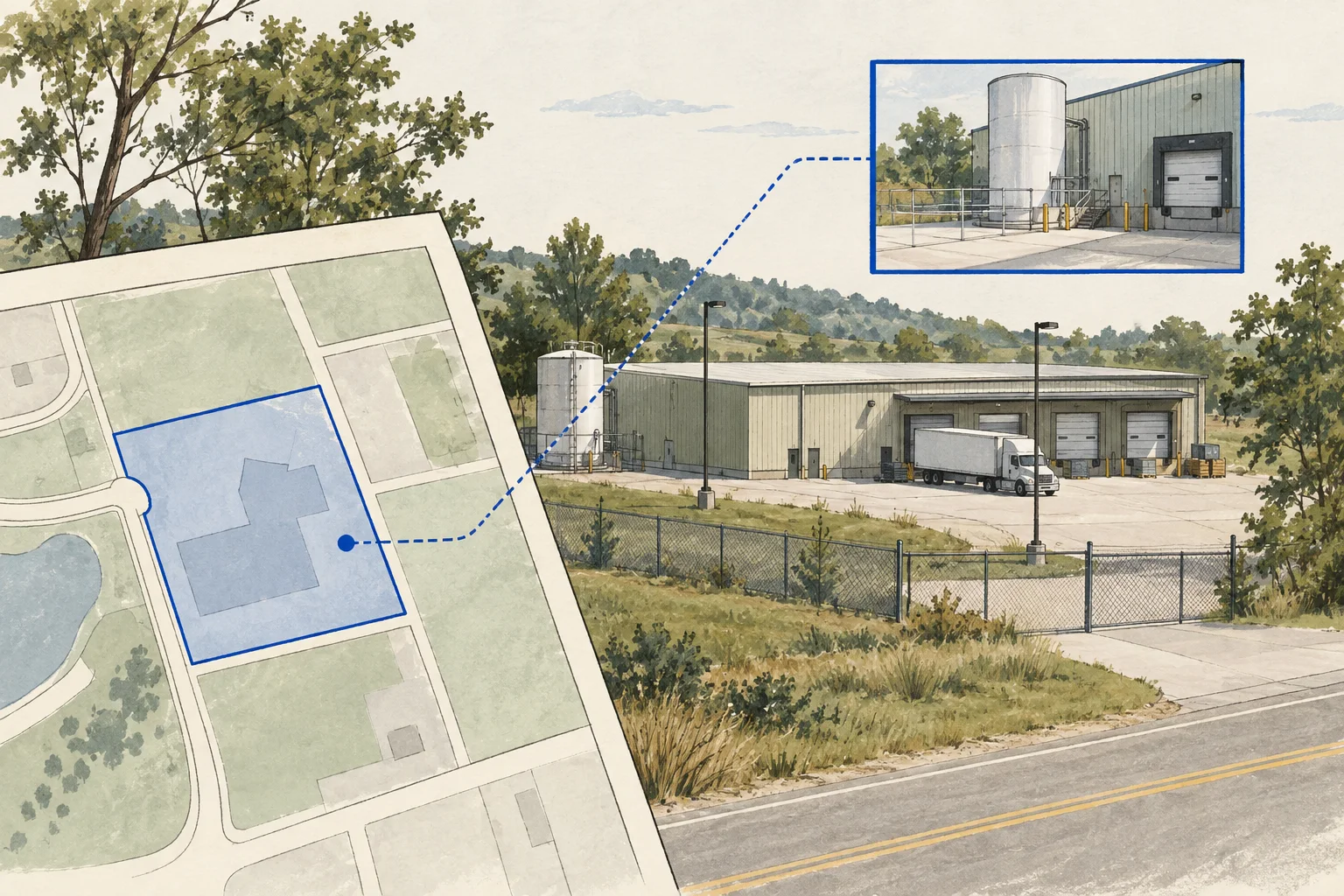
Conceptual editorial illustration of test the label against the operating property.

The useful distinctions

Make the review specific.

01

Use each taxonomy for its purpose

NAICS describes business establishments. Parcel classifications and a team’s buy-box categories are different systems. Build a small crosswalk that preserves the original code and explains the intended interpretation instead of overwriting it.

Source 1
02

Allow more than one activity

A property can contain several uses that matter to the acquisition decision. Record the dominant label, secondary activities and the document that locates each activity. EIA’s building-characteristics tables also distinguish building activity and floorspace; those dimensions should not disappear into one count.

Source 1
03

Keep uncertainty in the decision

A clear mismatch and an unreadable record require different actions. An unresolved file should not be forced into the closest known class simply to finish the list. Keep the unresolved reason and the evidence request visible.

Observation to next action

What the evidence supports, and what to ask next.

Evidence in the fileWhat it describesNext review
Industrial labelCandidate for reviewCheck actual building and operating uses.
Tenant business codeActivity associated with an establishmentVerify the establishment-to-property match and the code’s date.
Broker’s asset descriptionMarketing view of the offered propertyCompare the offered footprint and leases with the recorded classifications.
Conceptual editorial illustration of test the label against the operating property.

Work through the file

Classification review worksheet

Use this sequence with the documents available for your file. Keep a reference with each observation and turn unresolved items into explicit requests.

  1. Freeze the screening question

    Write what makes a property eligible for the strategy. Name the excluded uses and which mixed-use configurations need an exception review. In the fictional warehouse example, the lease schedule adds an operating showroom, but the mandate does not explain how to treat it. Keep that case unresolved until the investment lead defines the relevant rule; do not invent a tolerance simply to finish the screen.

  2. Choose and preserve the sample

    Record how cases were selected, which source edition was used and why each item entered review. Keep every source code unchanged in the source column, including its taxonomy and date. A warehouse tax label and a tenant business code should occupy different fields. Preserve the offered premises and document references as well, so the reviewer can tell whether the labels concern the same object.

  3. Adjudicate from evidence

    Have a reviewer compare the source label with the supporting document and record a reason. For the fictional showroom, identify which leased space supports the observed secondary activity and whether it belongs within the offered interest. Record the evidence and the mandate interpretation separately. Use a second reviewer for disputed mixed-use or operating-business boundaries, retaining both interpretations until the disagreement is resolved.

  4. Report the limits of the finding

    Keep accepted, excluded and unresolved cases visible in the handoff, with a reason for each decision and the document that would settle an open question. If a later study measures disagreement, disclose the sample selection, denominator and treatment of unresolved cases. Do not describe a purposive exception review as a national error estimate. This fictional exercise demonstrates the record structure and supplies no measured classifier result.

Before using the output

Questions about this method.

Should we replace the original classification?

Keep it. Add the reviewed category, reason and evidence as separate fields so another analyst can reproduce the change.

Can imagery settle an ambiguous asset type?

Imagery can raise a useful question about configuration or activity. It does not replace the documents needed to establish operating use, lease boundaries or permission.

How can AI assist with classification review?

Ask AI to align the original property label, tenant-use schedule and stated buy-box rule, then flag contradictions with document references. Keep its proposed category separate from the source code. An acquisitions reviewer should confirm the offered footprint and an investment lead should accept the disposition. The tool produces no measured accuracy or national error rate.

From the page to your next task

Start with the useful output.

Classification disagreement adjudication register

Build an editable classification disagreement adjudication register, retain document references and open decisions, then export your team's working file.

Scope: One review file using the method in the accompanying guide. The example is fictional.

Bring
A name for the review file. Evidence status, observations and document references where available.
Leave with
Classification disagreement adjudication register with editable, expandable records and document locators Two fictional worked rows showing mismatches and decisions to review CSV and readable text exports with row provenance, method sources and edition A separate document-request companion with suggested reviewers

Edition 2026-09-30.1

Evidence and scope

Follow each claim to its source.

North American Industry Classification System

US Census Bureau · Checked 2026-09-30

NAICS classifies business establishments. Its categories do not determine a parcel’s legally permitted use or identify the full operating real estate.

  • Method or documentation reference; no property-level extraction or market study was performed for this guide.
Open original source ↗
2018 CBECS building-characteristics tables

US Energy Information Administration · Checked 2026-09-30

Publishes building counts and floorspace separately for a disclosed survey vintage. It is context for explicit units, not current property income or a local market dataset.

  • Method or documentation reference; no property-level extraction or market study was performed for this guide.
Open original source ↗