


Driving for Dollars Alternatives: What Replaces the Windshield Time (2026)
For investors outgrowing driving for dollars: the honest alternatives that replace windshield time, signal monitoring, list stacking, virtual driving tools assessed candidly, and always-on sourcing systems, plus where driving still genuinely wins. With 2026 cost and motivated-seller data on why the math stops working at scale.
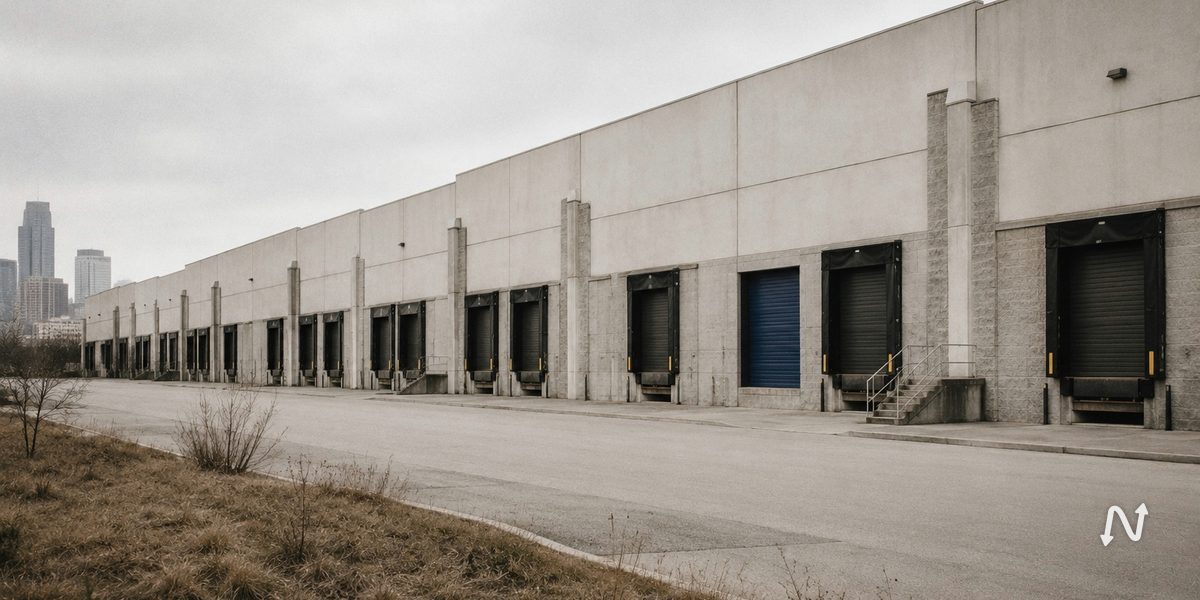
Driving for Dollars Alternatives: What Replaces the Windshield Time (2026)
The Short Answer
The honest alternative to driving for dollars is to let data surface distress across a whole market instead of driving streets one at a time: signal monitoring that watches public records for the same trouble your eyes were looking for, list stacking that isolates the owners showing several distress signals at once, and, at the top end, an always-on sourcing system that does the monitoring, owner resolution, and outreach continuously. Virtual driving tools that pair street-level imagery with property data sit in between and are worth an honest look. None of this means driving is worthless. In one submarket you know cold, a sharp local eye still catches things no dataset flags. It means the coverage ceiling, the hours you can physically drive, is exactly the constraint these alternatives remove.
Driving for dollars is one traditional channel inside a signal-driven sourcing system. This guide is for the investor who has hit its ceiling and wants to know what actually comes next.
Why Investors Outgrow Driving for Dollars
Driving for dollars works, and it built plenty of portfolios. You physically drive a target area, log distressed or neglected properties, look up the owners, and reach out. It works. It simply does not scale. You are capped by the hours you can drive and the neighborhoods you can physically cover, and the efficiency per hour is far lower than a well-targeted campaign hitting hundreds of owners at once.
The math matters because cost-per-deal is what actually determines whether this business works. The average wholesale assignment fee nationwide runs around $13,000 (Real Estate Bees), and marketing routinely eats 20% to 35% of gross income. When your sourcing method caps how many owners you can reach, your cost-per-deal is trapped no matter how good you are behind the windshield. That ceiling is what pushes investors to look for alternatives.
Alternative 1: Signal Monitoring
The closest direct replacement for driving is to monitor the public signals that predict distress across your whole market, continuously. Tax delinquency, code violations, liens, pre-foreclosure filings, permit trouble, and absentee ownership are all the same conditions your eyes were hunting for from the car, and most of them are recorded in public data before the property visibly deteriorates.
The advantage over driving is coverage and earliness. You are no longer limited to the blocks you can reach this week, and you often catch the signal before the neglect shows on the street. Signal monitoring does give up one thing driving has: the human eye that spots a subtle problem no dataset codes. That is a real trade, and it is why the two pair well rather than one simply replacing the other.
Alternative 2: List Stacking
List stacking is where signal monitoring becomes precision. Instead of working one list, you overlay several, pre-foreclosure, absentee owner, tax delinquent, high equity, probate, and isolate the properties that appear on multiple lists at once. Those overlaps are the strongest motivation signal there is, because they represent owners under several kinds of pressure simultaneously.
This is not a fringe technique. Life events alone, divorce, death, retirement, a job change, account for over 40% of all seller activity (Goliath Data), and stacking those life-event lists against equity and tenure produces a small, high-conversion queue rather than a giant, low-conversion one. Stacking is the move from volume-based outreach to targeted precision, and it is impossible to do from a car.
Alternative 3: Virtual Driving Tools, Assessed Honestly
A middle category pairs street-level imagery with property data so you can "drive" a neighborhood from a screen, flagging distress visually without the windshield time. Assessed honestly, these tools genuinely recover some of what pure data misses, the visual cue of a neglected property, while removing the mileage. That is a real gain.
The honest caveat is that imagery is often not current, so you are looking at a neighborhood as it was months or years ago, and a human still has to review each image, which reintroduces a labor ceiling, just a desk-bound one instead of a road-bound one. Virtual driving is a legitimate upgrade over literal driving. It is not the same as a system that surfaces motivated owners to you without anyone reviewing streets at all.
Alternative 4: An Always-On Sourcing System
The top-end alternative is to stop hunting entirely and let a system bring owners to you. It runs signal monitoring and list stacking continuously across your whole market, turns the flagged entities back into named owners, enriches their contact details, scores them against your criteria, and runs the personalized outreach that works them, on a schedule, without getting bored on week six. The output is not a route to drive, it is a ranked work queue of motivated owners.
This is the actual endgame of the driving-for-dollars progression: the same instinct, find distressed owners before anyone else, executed at a scale a person physically cannot match. It is the whole point of an always-on sourcing engine, and you can see the shape of it in our manufactured-housing sourcing build.
The Thing All the Alternatives Share
Notice what signal monitoring, list stacking, virtual driving, and a full system have in common: they all replace physical coverage with data coverage. Driving for dollars is really a data-collection method, you are using your eyes to gather one signal, visible distress, one property at a time. Every alternative is just a better way to gather more signals across more properties without the mileage.
That reframe is useful because it tells you what to look for. The right alternative gathers the most relevant signals across the widest coverage for the lowest ongoing effort, and then actually acts on them. Flashy branding is beside the point. A tool that surfaces distressed properties but leaves you to resolve owners and run outreach by hand has only replaced part of the drive. The full replacement handles the whole loop: find the signal, resolve the owner, reach out, on cadence. Anything less and you have swapped windshield time for desk time.
Where Driving Still Genuinely Wins
"Driving for dollars isn't wrong, it's just small. If you know one neighborhood cold, keep driving it. The mistake is trying to cover a whole market one street at a time. That's the part software should own."Lucas Eschapasse, NextAutomation
Be fair to the method. In a single submarket you know intimately, driving is still one of the highest-signal sourcing tactics there is. Your local eye catches the sagging roofline, the overgrown lot, the boarded window that no dataset codes, and your knowledge of the area means you understand context a list cannot capture. For a focused farm, driving earns its place.
The alternatives are not about abandoning driving. They are about not relying on it to do a job it structurally cannot: cover the markets and the volume you cannot physically visit. Drive the farm you know by hand, and let a system cover everything else.
The Alternatives, Compared
| Method | Coverage | Effort | Scales? |
|---|---|---|---|
| Driving for dollars | The streets you can reach | High, all manual | No |
| Signal monitoring | Whole market, from records | Medium | Yes |
| List stacking | Whole market, precision-filtered | Medium | Yes |
| Virtual driving tools | Any area with imagery | Medium, still manual review | Partly |
| Always-on system | Whole market, continuous | Low ongoing, higher to build | Yes |
One cost note worth knowing: the do-it-yourself sourcing stack, list tool, skip tracing, dialer, and CRM, commonly runs $1,000 to $1,200 a month before you make a single call (Call Porter). If you are weighing the point tools that make up that stack, our guide to off-market sourcing software ranks them. Whatever you replace driving with has a cost. The question is which one lowers your cost-per-deal, and that depends on your volume.
How to Choose
If you work one farm, keep driving it and add list stacking to reach the owners you cannot see from the car. If you are trying to source across a market or several, signal monitoring and a stacked-list workflow are the real replacement, and once coverage is genuinely the bottleneck, a built system pays for itself. Match the tool to your ambition, not to a trend. And be honest with yourself about which constraint you are actually hitting: if the problem is that you cannot find enough distressed properties, better data solves it, but if the problem is that you find them and never work the outreach consistently, no amount of new data helps, and a system that runs the follow-up is what you need.
Whatever you choose, run a cheap experiment before you buy anything big. Point one alternative at one signal in one area you know, and measure what actually happens: how many owners you reached, how many replied, and what each conversation cost. That number beats any comparison chart, because it is your real cost-per-deal on your real market, and it stops you scaling a method that has not earned it. The investors who waste money are the ones who buy the biggest solution before the small version has proven anything.
To figure out where you sit on that line and what actually lowers your cost-per-deal, book a working session and we will map your markets and volume before recommending anything.
Questions and answers
What is the best alternative to driving for dollars?
The most direct replacement is signal monitoring paired with list stacking: watching public records for the same distress your eyes hunted for from the car, then overlaying several lists to isolate owners showing multiple distress signals at once. It covers a whole market instead of the streets you can reach, and it often catches the signal before neglect shows on the property. At scale, an always-on system that monitors, resolves owners, and queues outreach continuously is the endgame.
Why doesn't driving for dollars scale?
Because you are capped by the hours you can physically drive and the neighborhoods you can cover, and the efficiency per hour is far lower than a targeted campaign reaching hundreds of owners at once. Since the average wholesale assignment fee is around $13,000 and marketing eats 20% to 35% of gross income, a sourcing method that caps how many owners you reach traps your cost-per-deal no matter how sharp you are behind the windshield.
Are virtual driving for dollars tools worth it?
They are a legitimate upgrade over literal driving. Pairing street-level imagery with property data lets you flag distress visually without the mileage, recovering some of what pure data misses. The honest caveats are that imagery is often not current, so you may be viewing a neighborhood months or years old, and a human still reviews each image, which reintroduces a labor ceiling. It is better than driving, but not the same as a system that surfaces owners without anyone reviewing streets.
Is driving for dollars still worth doing at all?
In one submarket you know cold, yes. A sharp local eye catches distress a dataset misses, the sagging roof, the overgrown lot, and your knowledge of the area adds context a list cannot. Its ceiling is that it cannot cover the markets and volume you cannot physically visit. The right move is to drive the farm you know by hand and let a system cover everything else, rather than relying on driving to do a job it structurally cannot.
What does list stacking do that driving can't?
List stacking overlays multiple owner lists, pre-foreclosure, absentee, tax delinquent, high equity, probate, and isolates properties that appear on several at once. Those overlaps are the strongest motivation signal, because they mean owners under several kinds of pressure at the same time. Since life events alone account for over 40% of seller activity, stacking those against equity and tenure produces a small, high-conversion queue. It is precision targeting that is simply impossible to do from a car.
Related Articles
NextAutomation and Caelon announce an exclusive partnership
NextAutomation and Caelon bring proprietary commercial real estate data into AI workflows, with weekly research on loan maturities and distress signals.
Deduplicate a CRE Owner List Without Merging Unrelated Owners
Deduplicate a CRE owner list without merging unrelated entities. Use jurisdiction-aware keys, retained source records and a checked eight-row practice exercise.
How to Research a Commercial Property Owner’s Portfolio
Trace a commercial property owner across LLCs and county records. Use an evidence worksheet to separate confirmed holdings from possible portfolio matches.