


How Developers Find Off-Market Land and Sites (2026 Playbook)
A developer-focused playbook for sourcing off-market land and infill sites: the zoning and entitlement signals to watch, spotting parcels under underbuilt use, reading assemblage patterns, and reaching principals before a broker packages the site. With 2026 lot-supply and land-cost data on why the timing edge matters.
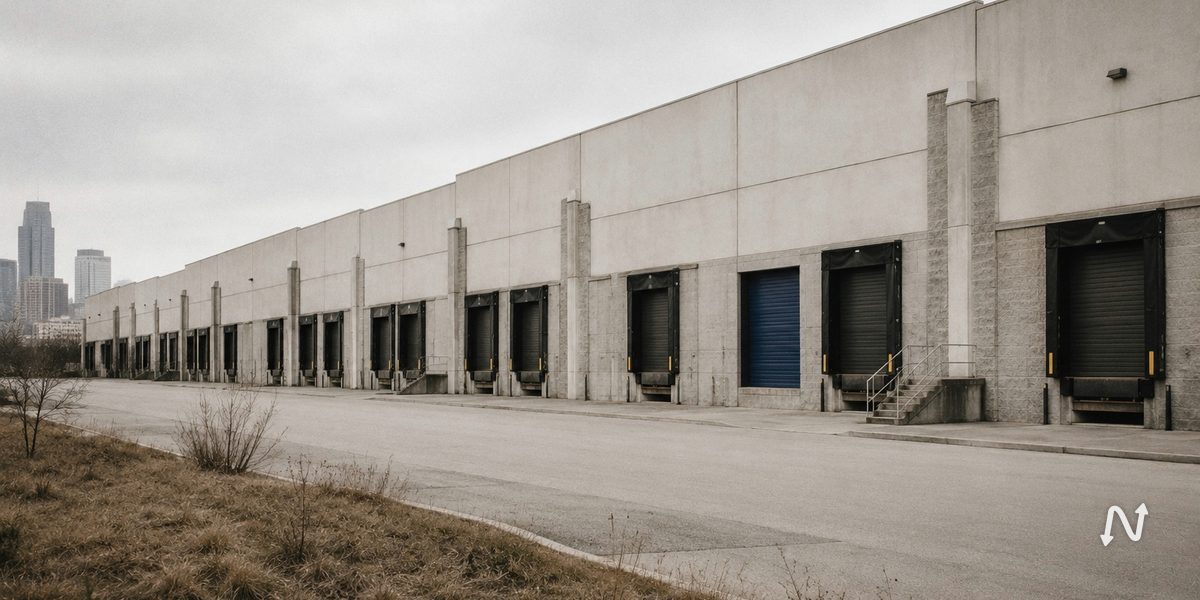
How Developers Find Off-Market Land and Sites (2026 Playbook)
The Short Answer
Developers find off-market land by watching the signals that mark a site as ready to move before it is ever listed: zoning changes and rezoning applications, parcels sitting under an underbuilt use relative to what the code now allows, assemblage patterns where a buyer is quietly acquiring adjacent lots, expired or stalled permits, and long-held infill owned by people with no development plans of their own. You resolve the owning entity, reach the principal directly, and open a conversation before a broker packages the site into a competitive process. The signals are different from an income-property play, but the pipeline is the same: monitor, resolve the owner, reach out early.
This is the land and site version of the method in our complete guide to sourcing off-market deals with AI, written for the developer half of the market that almost nobody covers.
Why Land Is the Hardest Off-Market Game
Land has no MLS culture, no standard listing behavior, and owners who often are not thinking about selling at all until someone shows up with a reason. It is also the scarcest input in the business. In a May 2025 survey, 64% of single-family builders reported a shortage of lots, and 67% said the supply of the best "A" lots was low or very low (NAHB). That scarcity sits on top of a structural housing shortage estimated at 3.7 million units by Freddie Mac and as high as 4.5 million by Zillow (Freddie Mac).
The competitive implication is blunt: when finished lots are this scarce and this contested, the developers who win are the ones sourcing sites before they become a marketed process. Waiting for a broker to bring you an entitled parcel means bidding against every other builder in the market for it. The edge is getting there while it is still a phone call.
Signal 1: Zoning Changes and Entitlement Activity
A rezoning, an upzoning, or a new specific plan is a value-creation event that fires before the land trades. When a municipality changes what can be built on a parcel or a district, the owner is often the last person to fully price in what just happened to their dirt. Watching rezoning applications, planning-commission agendas, and comprehensive-plan updates puts you in front of value before the market reprices it.
Entitlement applications, yours or a competitor's, are equally telling. A neighbor filing for entitlements is a signal that a submarket is heating and that adjacent owners may soon be approachable. These records are public and municipal, and reading them consistently across a metro is precisely the kind of coverage work that rewards a system.
Signal 2: Parcels Under an Underbuilt Use
The most durable land signal is the gap between what a parcel is doing and what its zoning allows. A single-story retail strip on a corner zoned for four stories of mixed use. A surface parking lot in a district that now permits residential density. A tired single-family house on a lot the code would allow to be subdivided or built up. These are underbuilt-use parcels, and they are the raw material of infill development.
Finding them means comparing current use and improvement value against the allowed floor-area ratio and use for the parcel. Where the delta is large, the owner is sitting on latent value they may not be capturing. That is your opening. This analysis is data-heavy and repetitive, which is why it stays largely uncovered by hand and why it is a natural thing to automate across a whole zoning map.
Signal 3: Assemblage Patterns
Assemblage is where sites are made and where the sharpest developers play. When a buyer quietly acquires adjacent parcels to build a developable footprint, the deed activity leaves a trail: multiple nearby purchases by related entities over a short window. Spotting that pattern early tells you a submarket is being assembled, and sometimes tells you which holdout parcels are now worth far more as the last piece of someone's puzzle.
The flip side is running your own assemblage. If your project needs three contiguous lots, you are resolving three owners and approaching each before any of them realizes what the combined site is worth. Move loudly and the price on parcel three triples. Assemblage rewards quiet, sequenced, direct-to-owner outreach more than almost any other kind of land deal.
Signal 4: Long-Held Infill and Stalled Projects
Two more signals round out the set. Long-held infill lots owned by people with no intention of developing, an estate, an out-of-area owner, a family that has held a corner for thirty years, are approachable because the owner has no plan that competes with yours. Tenure plus an underbuilt use is a strong pair.
Stalled and expired permits are the distress version. A developer who entitled a site, pulled permits, and then ran out of capital or nerve is holding an asset they may be relieved to hand off. Expired permits, dormant entitlements, and abandoned site work are all public and all point to an owner whose situation may have changed since the project began.
Where the Data Actually Lives
Every one of these signals sits in public records, which is why land sourcing is a coverage problem more than an access problem. Zoning maps and allowed uses come from the municipal or county planning department. Rezoning applications, variances, and specific-plan updates show up on planning-commission and city-council agendas. Assessor records give you current use codes, improvement values, and ownership, which is what you compare against zoning to find underbuilt parcels. Deed records at the recorder reveal the transfer patterns that expose assemblage. Permit portals hold the entitlement and construction history.
The reason so few developers work this systematically is that the data is fragmented across a dozen municipal systems, each with its own portal and format, and none of them talk to each other. Pulling one parcel's full picture by hand is a morning of work. Doing it across a metro is the thing a system exists to do, and the reason a build starts to make sense once your target area outgrows what one analyst can cover.
From Signal to Principal: Reaching Owners Before Brokers
Land is almost always held in entities, and the owner behind the LLC is the person you actually need. The sourcing edge collapses if you cannot get from "123 Development LLC" to a named principal with a phone number. The mechanics, assessor to Secretary of State to registered agent to address overlap, are the same as any entity resolution, and we cover them in detail in our walkthrough on tracing entity owners.
The point of resolving the owner yourself is timing. Once a broker has the listing, you are in a process with every other builder. Reaching the principal directly, before the site is packaged, is where developers capture the assemblage premium and the pre-competition price. This is the entire reason to do the sourcing work rather than wait for inventory.
Why the Timing Edge Is Worth So Much
Land is slow to become buildable, which is exactly why getting ahead of it matters. Even in an efficient market, new lot supply is often 18 to 24 months away, and the full lag from acquisition through delivery of finished lots can run two to three years (NAHB / Eye On Housing). Complex entitlements alone can take 6 to 12 months or longer. Every month you shave off the front of that pipeline by sourcing a site early compounds down the entire schedule.
And the finished lot is a growing share of what you deliver: it represented 13.7% of the final new-home price in 2024 (NAHB). Sourcing land off-market, before a competitive process bids it up, is one of the few levers that improves your basis on the single input you cannot manufacture.
The Developer Land Signal Table
| Signal | What it tells you | Where to find it |
|---|---|---|
| Rezoning / entitlement activity | Value is being created before the land trades | Planning agendas, rezoning applications, plan updates |
| Underbuilt use vs zoning | Latent density the owner may not be capturing | Assessor use codes vs zoning maps and allowed FAR |
| Assemblage pattern | A footprint being quietly built nearby | Clustered deed activity by related entities |
| Long-held infill | An owner with no competing development plan | Deed history plus underbuilt use |
| Stalled / expired permits | A project and an owner in trouble | Municipal permit portals |
Tools, or a Build
"In development, the deal is won or lost at sourcing. You can fix a lot of things after you control the site. You cannot fix paying a competitive price for dirt everyone else already found."Lucas Eschapasse, NextAutomation
There are point tools aimed at land and site selection, and for a developer working one market they can be the right answer. The case for a custom build is coverage and specificity: a system that watches your exact zoning targets, underbuilt-use criteria, and assemblage patterns across a metro, resolves owners, and queues outreach, so your acquisitions team spends its time on conversations, not tab-hopping through planning portals.
Start by hand on one district and one signal. When you know the bottleneck is that you cannot cover enough ground to feed your pipeline, that is when a custom deal sourcing engine pays for itself. To map it to your buildable-site criteria before anyone talks build, book a discovery call.
Continue the workflow
For the next step, use verify legal access before you tie up the site.
Questions and answers
How do real estate developers find off-market land?
By monitoring signals that mark a site as movable before it lists: rezoning and entitlement activity, parcels sitting under an underbuilt use relative to current zoning, assemblage patterns of clustered nearby purchases, long-held infill with no development plan, and stalled or expired permits. Then they resolve the owning entity, reach the principal directly, and open a conversation before a broker packages the site into a competitive process.
What is an underbuilt-use parcel and why does it matter?
It is a parcel whose current use is far below what its zoning allows, like a single-story building on a lot zoned for four stories, or a parking lot in a district that now permits residential density. The gap between current use and allowed density is latent value the owner may not be capturing, which makes them approachable and makes the site a strong infill candidate.
How do you find land before a broker lists it?
You source it from public data instead of waiting for inventory: planning agendas and rezoning applications, assessor use codes compared against zoning maps, and deed activity that reveals assemblage. Then you resolve the owning entity to a named principal and reach out directly. Getting to the owner before the site is packaged is where developers capture the assemblage premium and the pre-competition price.
Why is off-market land sourcing so valuable for developers right now?
Lots are scarce, 64% of single-family builders reported a lot shortage in May 2025, and the delivery pipeline is slow, with finished lots often 18 to 24 months out and full development running two to three years. Sourcing a site early shaves time off the entire schedule and, because the finished lot was 13.7% of new-home price in 2024, improves your basis on the one input you cannot manufacture.
How does assemblage sourcing work?
Assemblage means acquiring adjacent parcels to form a developable footprint. Sourcing it well requires spotting clustered deed activity by related entities that signals a footprint being built, and, when running your own assemblage, resolving each owner and approaching them quietly and in sequence. Move loudly and the price on the last holdout parcel spikes, so quiet direct-to-owner outreach matters more here than in almost any other land deal.
Related Articles
NextAutomation and Caelon announce an exclusive partnership
NextAutomation and Caelon bring proprietary commercial real estate data into AI workflows, with weekly research on loan maturities and distress signals.
Deduplicate a CRE Owner List Without Merging Unrelated Owners
Deduplicate a CRE owner list without merging unrelated entities. Use jurisdiction-aware keys, retained source records and a checked eight-row practice exercise.
How to Research a Commercial Property Owner’s Portfolio
Trace a commercial property owner across LLCs and county records. Use an evidence worksheet to separate confirmed holdings from possible portfolio matches.