


AI for Real Estate Developers: Permit Tracking, Cost Forecasting, and Schedule Optimization
Three AI workflows that mid-market developers are deploying right now to eliminate pre-development surprises — permit monitoring, cost variance alerts, and schedule compression.
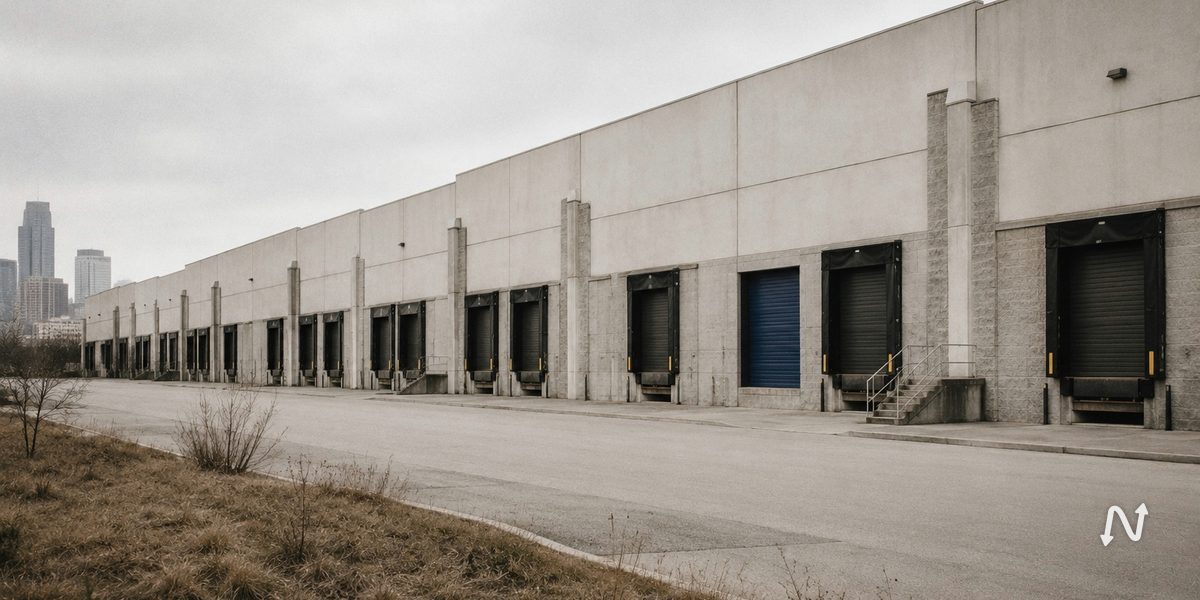
AI for Real Estate Developers: Permit Tracking, Cost Forecasting, and Schedule Optimization
Pre-development risk is where deals die. A 6-week permit delay on a 120-unit multifamily project doesn't just push the construction start date — at $65,000 per month in carry costs, it costs $390,000 in unearned interest, lost rent ramp, and partnership friction. Most developers know this, but manage the risk the same way they always have: weekly check-in calls with the permit expediter, monthly phone calls with the GC, and hoping no one misses anything important.
AI is changing how mid-market developers manage pre-development variables. Not by replacing the expediter or the GC, but by eliminating the information latency between when something happens and when the development team finds out. Here are three workflows that are delivering measurable results.
Automated Permit Tracking
Most municipal permit portals update in something close to real time — but developers find out about permit status changes days or weeks later, when someone remembers to check. An AI monitoring layer changes that window from weeks to hours.
The system works by continuously polling the relevant municipal permit portals (building department, planning, fire, utilities) against the developer's active permit numbers. When any status changes — a hold is placed, a comment is added by a plan reviewer, a required re-submission notice is issued, an inspection is scheduled — the system triggers an alert to the project manager within hours, with a summary of what changed and what action is required.
It also tracks forward-looking signals: upcoming inspector availability windows, pending city council agenda items that could affect entitlement timelines, and neighboring permit activity that might signal infrastructure congestion or competing projects drawing on the same contractor pool.
One developer team we work with caught a 30-day hold on their demolition permit the same day it was issued — instead of finding out two weeks later when their demolition crew showed up to a locked site. They were able to respond to the plan reviewer's comments within 48 hours and get the hold lifted before it affected the construction schedule at all. Without the monitoring system, that delay would have cascaded into a 6-week construction start slip and approximately $240,000 in carry cost overage.
Cost Forecasting with Real-Time Material Intelligence
Construction cost models are built at a point in time. The problem is that the inputs — lumber, steel, concrete, labor — move constantly, and the model doesn't update with them. By the time you get to the trade contract signing, the budget that got approved 8 months ago may no longer reflect current market conditions.
AI cost forecasting addresses this by ingesting current commodity market data (lumber futures, steel mill pricing, ready-mix concrete regional indices, and union labor rate schedules) and updating the construction cost estimate on a weekly basis. The system flags when any key input has moved more than a configurable threshold — typically 5% — since the budget was established, and generates a revised total project cost estimate with the updated assumptions applied.
The practical value isn't just visibility — it's timing. One developer was tracking a 90-unit mixed-use project through pre-development when the system flagged a 12% rise in structural steel pricing, triggered by a combination of tariff uncertainty and a surge in data center construction pulling on the same supply chain. The flag came 8 weeks before the structural steel contract was scheduled to be signed. The developer contacted three fabricators immediately, negotiated a price-locked forward contract at the pre-spike rate, and saved approximately $180,000 on that single trade package.
Without the weekly cost intelligence update, the spike would have shown up as a budget variance in the GMP negotiation — at which point the developer's options are accepting the higher cost or value-engineering scope reductions under time pressure.
Schedule Optimization
Construction schedules are built with the assumption that everything proceeds in the planned sequence. In practice, weather delays, subcontractor availability gaps, and permit milestone dependencies routinely disrupt the critical path — and most project managers don't find out about a risk until it has already become a delay.
AI schedule optimization analyzes the construction schedule against three live data streams: weather forecast models (identifying windows of elevated precipitation, extreme temperature, or wind that would halt exterior work), subcontractor availability signals (derived from permit pull activity and crew scheduling data across the submarket), and permit milestone sequencing (the dependencies between permit approvals and construction phases that must stay in the right order).
The system surfaces schedule risks 3-4 weeks out and recommends task reordering to protect the critical path. When a 10-day weather window is forecast to delay exterior framing, the model recommends pulling forward interior rough-in work that isn't weather-dependent. When a key electrical subcontractor shows capacity constraints based on their concurrent project load, the model flags it early enough to confirm commitment or identify a backup.
Developers using schedule optimization report a 15-20% reduction in construction phase duration on projects where the system was active from the pre-development stage — not because the work goes faster, but because unplanned idle time is systematically eliminated before it accumulates.
Build AI Into Your Pre-Development Process
Permit delays, cost spikes, and schedule slippage are the three biggest profit killers in mid-market development — and all three are preventable with better information at the right time. We build AI monitoring and forecasting systems for real estate developers. If you're managing 2+ active projects and want to stop finding out about problems after they've already cost you money, let's talk.
Book a Strategy Call →Build this with NextAutomation
To discuss permit tracking for your team, contact NextAutomation to arrange a walkthrough. Related reading and resources: AI Entitlement Monitor, The CRE AI ROI Guide.
Related Articles
How Mid-Market Developers Use AI to Compress Pre-Development Cycles
Mid-market developers are cutting pre-development timelines by 30-40% using AI for feasibility, entitlement tracking, and stakeholder reporting. Here's the system.
AI Automation for Construction: From Bid Management to Project Closeout
Master the field-to-office workflow with AI-driven systems. Learn how to automate RFI processing, daily reporting, and bid management to increase project mar...
How to Abstract a Commercial Lease with AI
How to abstract a commercial lease with AI: ingest the full stack, extract economic and legal terms with clauses cited, normalize, and flag the gaps.